
Trump Says US Considering Diesel Export Ban as Fuel Prices Hit Record Highs
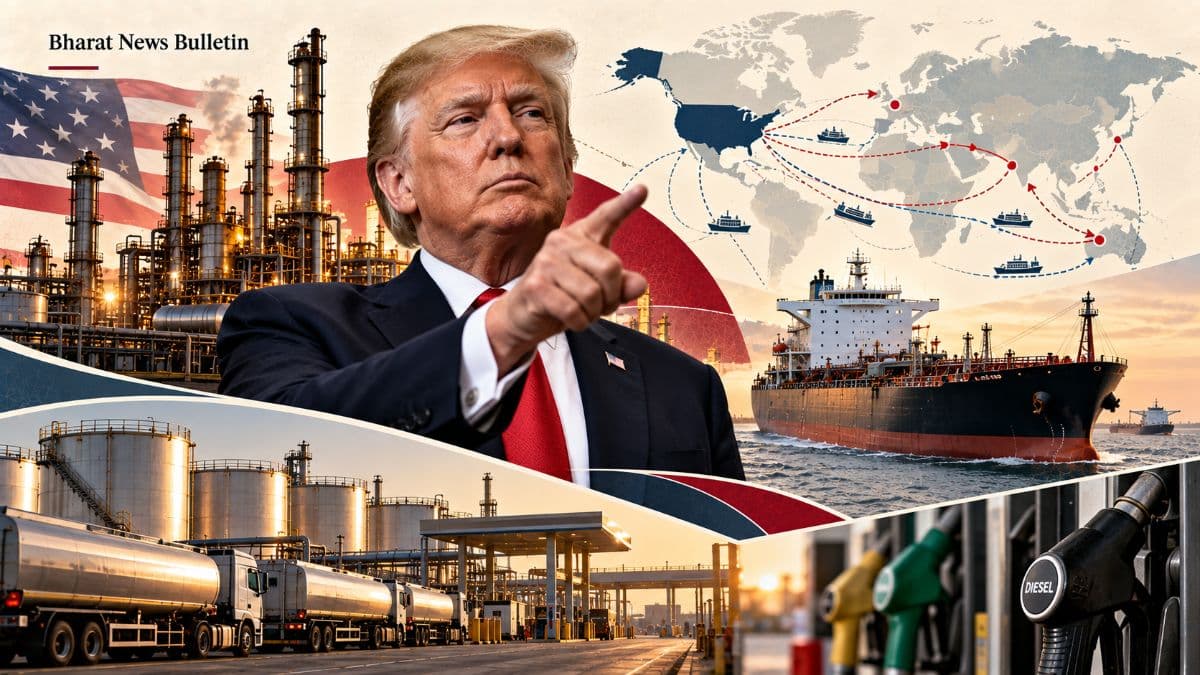
US President Donald Trump says his administration is seriously considering restrictions on diesel exports as record domestic fuel prices intensify pressure on consumers, farmers and freight operators.
US President Donald Trump has said his administration is considering a ban on American diesel exports, as record fuel prices increase pressure on consumers and businesses across the United States.
Speaking to reporters on Sunday, Trump said the administration was looking “very seriously” at restricting diesel exports but acknowledged that such a move could have consequences for gasoline prices.
The proposal has gained support from several lawmakers representing major agricultural states, where diesel is essential for tractors and other farm equipment during the fall harvest season.
US diesel prices have climbed to around $6.50 per gallon, reaching record levels amid disruptions to global energy markets linked to the conflict involving Iran and continued Ukrainian attacks on Russian refinery infrastructure.
HIGHLIGHT: US diesel exports recently surged to a weekly record of nearly 2 million barrels per day, while domestic retail diesel prices have climbed to around $6.50 per gallon.
The United States has become an increasingly important supplier to global diesel markets as disruptions elsewhere constrain fuel availability. Any restriction on American exports could therefore have consequences beyond the US.
Senior administration officials, including National Economic Council Director Kevin Hassett, Treasury Secretary Scott Bessent and US Trade Representative Jamieson Greer, have been examining the potential impact of short-term restrictions on diesel exports.
Energy Secretary Chris Wright has also said the administration is working with refiners on possible voluntary export reductions as an alternative to a government-imposed ban.
The energy industry has pushed back against restrictions. Oil executives and industry groups have instead advocated suspending the federal diesel excise tax, arguing that this could provide consumers with price relief without disrupting international fuel markets.
Diesel plays a critical role across the US economy, powering freight trucks, trains, delivery vehicles and agricultural equipment. Higher diesel prices can therefore increase transportation and production costs across a wide range of industries.
A ban could initially increase diesel supplies within the United States and push domestic prices lower. However, energy-industry representatives and analysts have warned that prolonged restrictions could eventually encourage refiners to reduce production.
International markets could also face tighter supplies if US exports are restricted. Countries including Brazil and the United Kingdom, among other buyers of American fuel, could be forced to secure diesel from alternative suppliers.
Goldman Sachs has said a US diesel export ban could initially place moderate downward pressure on domestic diesel prices, while export restrictions or quotas remain a plausible policy outcome.
The Trump administration has not announced a final decision. Discussions are continuing as officials assess whether export restrictions, voluntary reductions or other measures could help address record domestic fuel prices without creating wider disruptions in energy markets.