
Saudi Arabia Resumes Oil Loadings at Yanbu
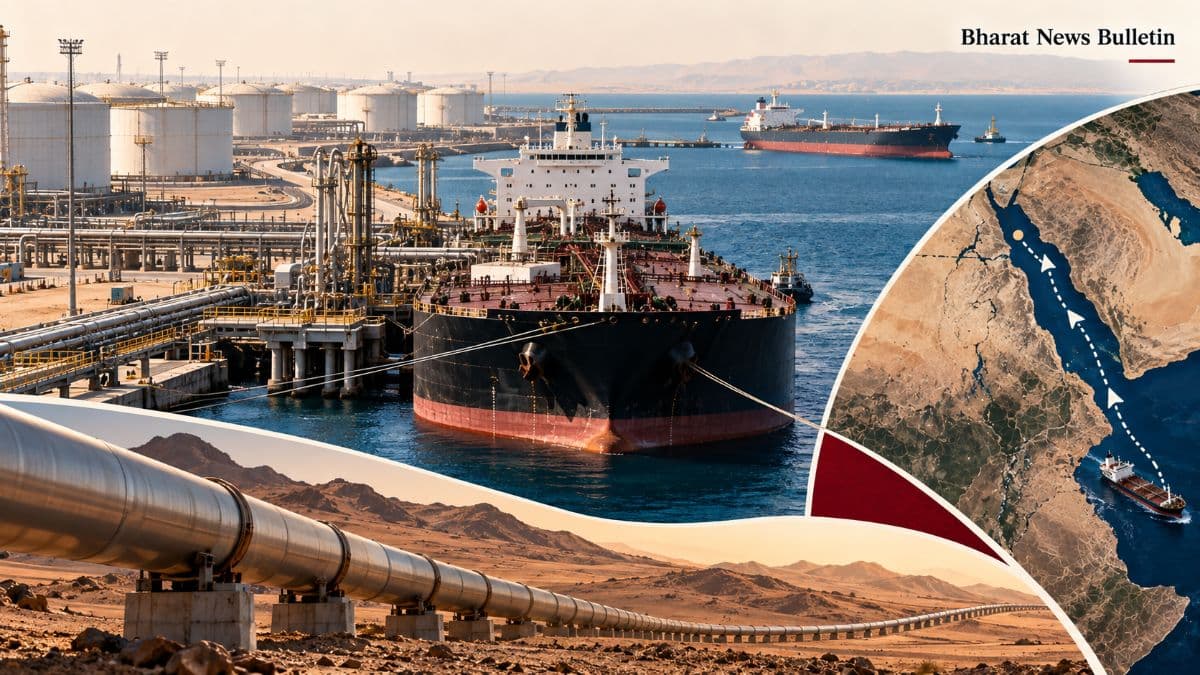
Crude and refined-product shipments have restarted from the Red Sea export hub after flows resumed through Saudi Arabia's East-West Pipeline.
Saudi Arabia has resumed oil tanker loadings from its Red Sea port of Yanbu following the restart of the kingdom's East-West Pipeline, according to trade sources and shipping data. The development restores an important export route as Middle Eastern producers work to increase oil flows disrupted by regional conflict.
The East-West Pipeline was shut on September 11 after drone attacks that Saudi Arabia blamed on Iraqi militias, halting crude exports from Yanbu. Pipeline operations resumed on September 22, and Saudi Aramco subsequently notified customers of its October loading schedule from the Red Sea port.
KEY NUMBERS
Two trade sources estimated crude loadings from Yanbu at about 2 million barrels per day since last week, while Kpler estimated pipeline throughput at around 2.65 million barrels per day.
Satellite imagery also indicates that tanker activity has returned. Vessel-tracking firm TankerTrackers.com said European Space Agency imagery from September 27 showed nearly 10 million barrels of crude being loaded at Yanbu and the nearby Al Muajjiz terminal. The firm also observed refined-product loadings in the area.
The pipeline is still operating well below its full capacity. Kpler expects throughput to increase to between 3 million and 4 million barrels per day in the coming days, while a return to the pre-attack rate of roughly 5.5 million barrels per day could take another month.
RECOVERY PATH
The East-West Pipeline has capacity of about 7 million barrels per day, while Kpler estimates current throughput at roughly 2.65 million barrels per day.
Crude inventories at the Yanbu terminal increased by roughly 1 million barrels on September 22, according to Kpler, marking the first inventory build there since the attack and providing another indication that supplies were returning to the Red Sea export hub.
The restart strengthens an alternative route for Saudi crude at a time when shipments through the Strait of Hormuz have faced disruption. Signs of recovering Middle Eastern exports, including the renewed Yanbu loadings, have also contributed to downward pressure on global oil prices.