
Indian Rupee Breaches 96 Per Dollar on Oil Worries
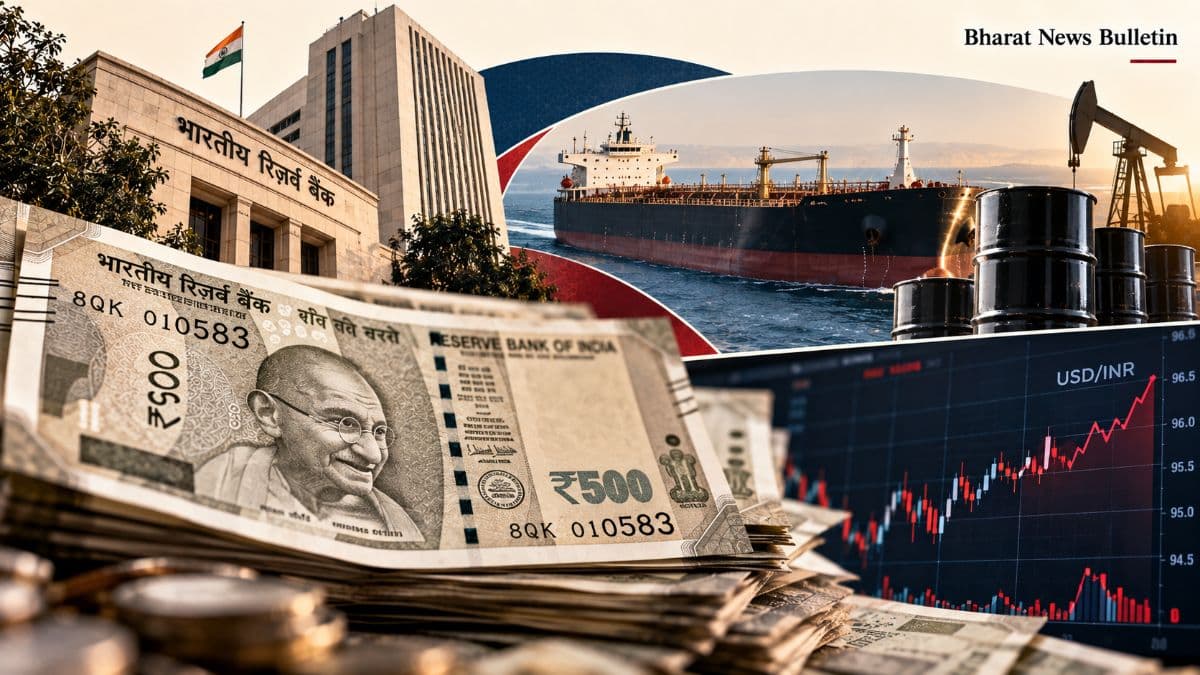
The rupee touched a two-month low as elevated crude prices and foreign portfolio outflows increased pressure on India's currency.
The Indian rupee weakened past the 96-per-dollar mark on Tuesday, September 29, touching a two-month low as elevated crude oil prices intensified concerns about the impact of higher energy costs on India's economy.
The rupee fell to 96.1475 against the U.S. dollar in early trading, down about 0.2% on the day. It later recovered much of the decline and closed nearly unchanged at 95.98 per dollar as crude prices eased and likely intervention by the Reserve Bank of India helped limit the currency's losses.
CURRENCY SNAPSHOT
The rupee touched 96.1475 per dollar, its weakest level in two months, before recovering to close at 95.98.
Crude oil remained a major driver of currency movements during the session. Brent prices climbed to nearly $108 per barrel before turning lower, as markets balanced concerns over Middle East supply disruptions against signs that crude exports from the region were recovering.
India imports nearly 90% of its crude oil requirements, leaving the economy and the rupee particularly sensitive to sharp increases in global energy prices. More expensive oil can raise India's import bill and increase demand for dollars from domestic importers.
FOREIGN FLOWS
Foreign investors had withdrawn about $3.7 billion from Indian equities and bonds in September, adding to pressure on the rupee.
Traders said dollar sales by state-run banks, most likely on behalf of the Reserve Bank of India, helped contain the rupee's decline. The currency also benefited later in the session as international crude prices moved away from their intraday highs.
Higher oil prices have also weighed on Indian equities and bonds, while elevated U.S. Treasury yields and a firmer dollar have created additional pressure on emerging-market currencies. Investors are continuing to monitor oil-market developments and global interest-rate expectations for their potential impact on the rupee.