
Caller Name Display Set for November
The new telecom service aims to help users identify unknown callers without installing a separate caller-identification app.
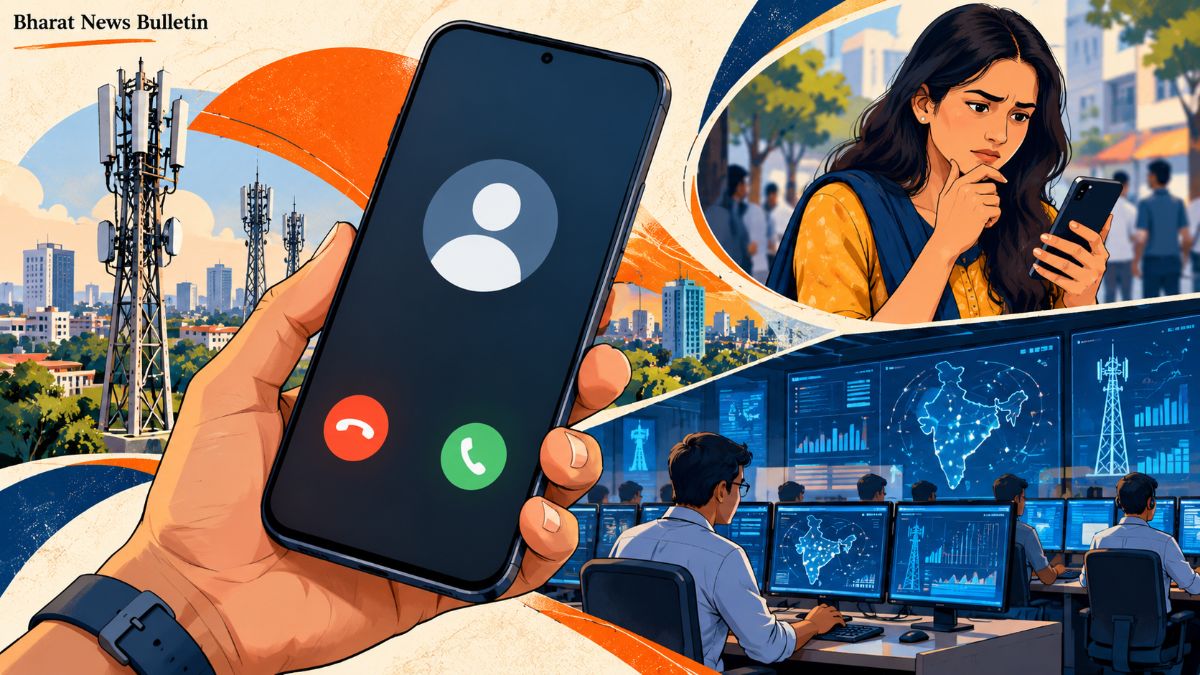
India is set to introduce Calling Name Presentation (CNAP) across 4G and newer wireless networks from November 1, 2026, after the Department of Telecommunications (DoT) directed telecom operators to implement the service in all service areas. The directive was issued through a circular dated October 13.
Under CNAP, an incoming call will display the caller’s telephone number along with a name. If the number is already saved in the recipient’s contacts, the phone will display the saved contact name. For an unsaved domestic number, the name will be taken from the originating telecom operator’s subscriber records.
The service will be provided without requiring customers to make a separate request or activate an additional service. Telecom operators will maintain the relevant caller-name databases and retrieve the information needed to display the caller’s identity when a call arrives.
For an unsaved international number, the display will show the words “International Call” instead of a caller name under the prescribed arrangement. The initial rollout covers wireless terrestrial networks using 4G and newer technologies. Implementation on 2G, 3G and landline networks will be considered separately.
The government expects CNAP to help people make more informed decisions about answering unknown calls. By displaying a name associated with the telecom subscriber record, the service could make some unwanted or suspicious calls easier to assess before answering.
However, displaying a caller’s name will not guarantee that a call is genuine or eliminate all spam and fraud. Users will still need to exercise caution, particularly when callers request banking details, passwords or one-time passwords.
There are exceptions to the display rules. The identity of users who have validly opted for Calling Line Identification Restriction (CLIR) will not be shown. Businesses and bulk-connection users may be allowed to display a preferred name, subject to verification of a registered trademark or a trade name recorded on the GST portal.
Telecom operators must also establish mechanisms to receive and resolve complaints about incorrect caller names within a specified timeframe. The rollout marks a move towards network-based caller identification, with the aim of improving transparency for mobile users.