
Banks Face Currency Risks on FCNR Deposits
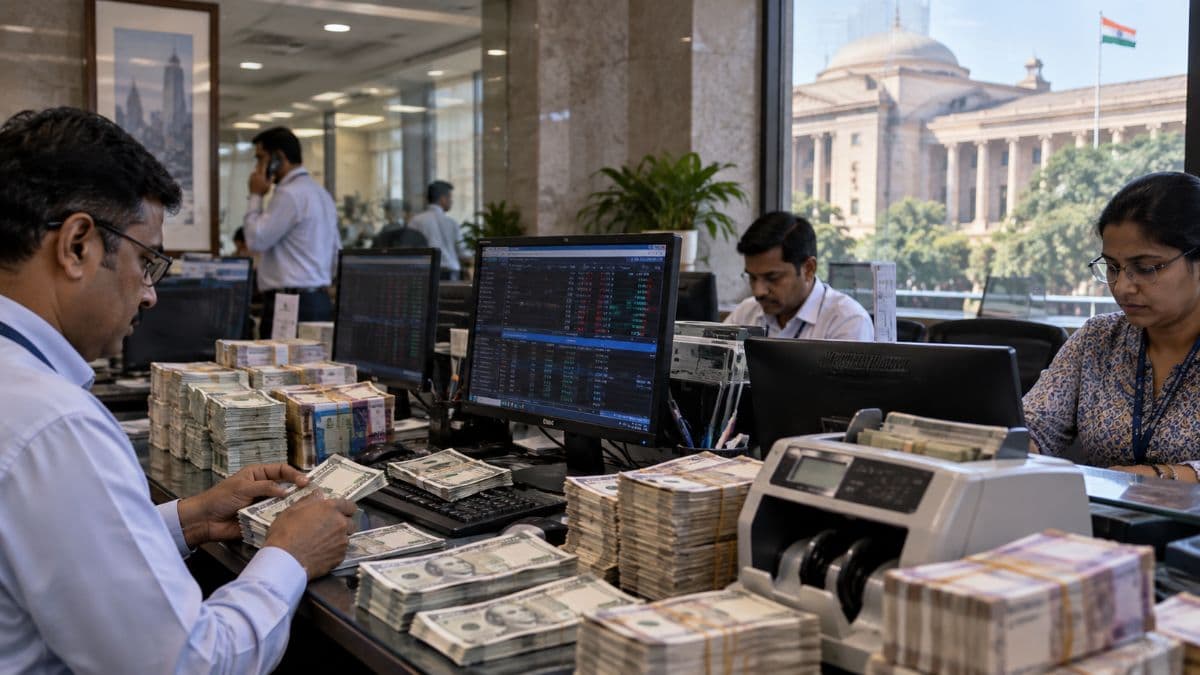
While the Reserve Bank of India insulates principal amounts under its special swap window, domestic lenders face foreign-exchange exposure on billions in dollar interest payments.
A massive influx of foreign currency mobilised through the Reserve Bank of India's special swap window has significantly bolstered national reserves, but the division of foreign-exchange risk is creating potential vulnerabilities for domestic lenders. Introduced to protect the rupee and fortify foreign reserves against high oil prices, the Foreign Currency Non-Resident Bank deposit scheme mobilised over $127 billion—far outpacing the central bank's initial $50 billion target before the window closed at the end of August.
Under the special swap mechanism, the central bank absorbed the foreign-exchange risk associated with the principal amount, offering banks an affordable source of overseas funding. Analysts estimate the hedging cost incurred by the central bank at roughly 3 percent annually. However, because the RBI deploys these inflows into foreign securities earning between 4.5 and 5 percent, returns are widely expected to offset the principal hedging costs, leaving the overall impact on India's $700-billion reserve stock relatively minimal.
The RBI's swap facility effectively protects banks from currency swings on deposit principals, but leaves the burden of foreign-currency interest payments entirely on commercial lenders.
The core exposure lies in the dollar-denominated interest payments that banks must settle independently when these deposits mature over the next three to five years. While foreign banks operating in India have largely opted to hedge their interest obligations, most state-run lenders and several domestic private institutions have left their exposures completely unhedged.
Treasury officials at state-run lenders have pointed to high hedging costs, running at around 3 percent annually, as the primary reason for avoiding derivative cover. Instead, several banks intend to purchase foreign currency in the spot market when interest obligations fall due. This strategy lowers immediate expenses but hinges on currency stability over the medium term.
If the Indian rupee depreciates significantly against the greenback by the time maturities arrive, banks will face substantially higher domestic currency outlays to purchase the required dollars. Market analysts caution that concurrent spot market purchases across multiple financial institutions could create sudden dollar demand, inadvertently reigniting pressure on the local currency.
More from economy
Related articles coming soon.