
UPI Ends Free Era for Large Merchant Payments
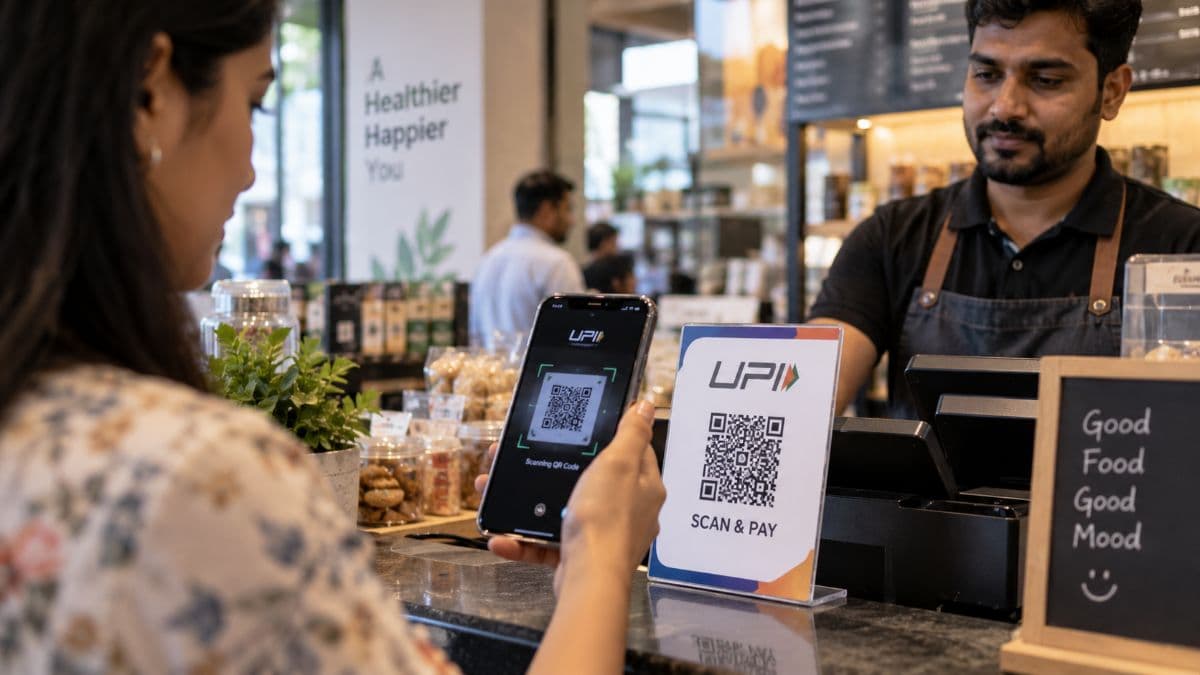
NPCI will introduce a 0.4% merchant fee on UPI transactions above ₹2,000 from October 15, while consumers and qualifying small merchants remain protected from the charges.
India’s Unified Payments Interface is set to end more than six years of zero-fee merchant payments, with the National Payments Corporation of India introducing a 0.4% merchant discount rate on UPI transactions above ₹2,000. The new charges will take effect from October 15 and cannot be passed on to consumers.
The change marks a significant shift for India’s rapidly expanding digital payments system. UPI processed 24 billion transactions worth $311 billion in August, with Walmart-backed PhonePe and Alphabet’s Google Pay among the dominant platforms in the market.
The fee structure will differ for certain merchant categories. UPI payments to specified merchants including railways, telecom services, insurance and fuel will attract a flat MDR of ₹5. For other merchants, fees on transactions above ₹75,000 will be capped at ₹300.
NPCI said revenue generated through the charges will be distributed among firms facilitating UPI transactions. The largest share will go to the payer’s bank, while the remaining amount will be divided among the merchant-acquiring bank, payment app and payment service providers. The charges are intended to support investment in infrastructure resilience, innovation, cybersecurity and customer service.
The move follows an amendment to India’s payments legislation that allows fees to be imposed on UPI transactions exceeding ₹2,000. Pine Labs Chief Executive Amrish Rau said continued investment in technology, cybersecurity, fraud prevention and reliability would be required to scale UPI to 90% of all retail payments, and that MDR would help fund those investments.
The government has also put safeguards in place for consumers. UPI app providers are explicitly prohibited from imposing platform fees or hidden charges, while banks have been advised to ensure merchants do not transfer the MDR cost to customers. Earlier in the day, opposition leader Rahul Gandhi criticised the decision, arguing that merchants could ultimately pass the burden on to consumers.
Small merchants will receive exemptions. NPCI defines these as merchants receiving up to ₹1 lakh per month through UPI QR-code payments. The government will also establish a dedicated fund for promoting UPI adoption among small merchants, financed by a contribution equivalent to 5% of total MDR collections. NPCI said the fund would be finalised in consultation with the Reserve Bank of India within three months.
Additional exemptions apply to UPI merchant payments made through QR codes in rural and semi-urban areas, which will not attract fees. Capital-market transactions, including payments for mutual fund and stock investments, will carry a lower fee of 0.02% of transaction value, capped at ₹300, with NPCI saying the structure is intended to encourage retail participation in formal financial markets.